

When using a portable camping stove, it is crucial to ensure that there is proper ventilation in the area where the stove will be used. This is especially important when using stoves that burn fuel such as propane or butane, as these fuels can produce carbon monoxide, a colorless, odorless gas that can be deadly if inhaled in high concentrations. To prevent the buildup of carbon monoxide, it is important to use the stove in a well-ventilated area, such as outdoors or in a well-ventilated tent.
Additionally, it is important to never use a portable camping stove in an enclosed space, such as a car or a tent, as this can lead to a dangerous buildup of carbon monoxide. Furthermore, it is important to be mindful of wind direction when using a portable camping stove. If the wind is blowing towards the stove, it can cause the flame to flicker or go out, which can be dangerous if the fuel continues to flow.
To prevent this, it is important to position the stove so that it is sheltered from the wind, such as by using a windscreen or positioning it behind a natural windbreak. By ensuring proper ventilation and being mindful of wind direction, you can help to prevent dangerous situations when using a portable camping stove.
Key Takeaways
- Proper ventilation is essential when using a portable camping stove to prevent carbon monoxide poisoning.
- Fuel should be stored and handled carefully to avoid spills and accidents.
- Place the stove on a stable, flat surface away from flammable materials and never leave it unattended.
- Follow fire safety guidelines, such as keeping a fire extinguisher nearby and being cautious with open flames.
- Regularly inspect and maintain the stove to ensure it is in good working condition.

Fuel Storage and Handling
When using a portable camping stove, it is important to handle and store fuel properly to prevent accidents and injuries. It is crucial to only use the type of fuel that is recommended for your specific stove, as using the wrong type of fuel can lead to dangerous situations such as explosions or fires. Additionally, it is important to store fuel in a safe and secure location, away from heat sources and out of reach of children and pets.
Fuel should also be stored in its original container or in a container that is specifically designed for fuel storage, and it should never be stored in food containers or bottles that are not designed for fuel. Furthermore, it is important to handle fuel with care when refilling the stove. It is crucial to do this in a well-ventilated area and to avoid spilling fuel on the stove or on the ground, as this can lead to fires or explosions.

Additionally, it is important to never refill the stove while it is still hot, as this can lead to burns or fires. By handling and storing fuel properly, you can help to prevent accidents and injuries when using a portable camping stove.
Stove Placement
When using a portable camping stove, it is important to carefully consider where the stove will be placed to ensure safety. The stove should be placed on a stable and level surface to prevent it from tipping over during use. Additionally, it is important to place the stove away from flammable materials such as tents, dry grass, or other camping gear to prevent fires.
It is also important to ensure that there is enough space around the stove for air circulation and to prevent accidental contact with the hot surfaces. Furthermore, it is important to consider the terrain when placing the stove. If the ground is uneven or sloped, it can increase the risk of the stove tipping over or causing spills.

In these situations, it may be necessary to use a stabilizing platform or to find a more suitable location for the stove. By carefully considering the placement of the stove, you can help to prevent accidents and injuries when using a portable camping stove.
Fire Safety
| Safety Precaution | Description |
|---|---|
| Read the instructions | Always read the manufacturer’s instructions before using the camping stove to ensure safe operation. |
| Use in well-ventilated area | Ensure the camping stove is used in a well-ventilated area to prevent carbon monoxide buildup. |
| Keep away from flammable materials | Avoid placing the camping stove near flammable materials such as tents, clothing, or dry grass. |
| Check for gas leaks | Regularly check for gas leaks by applying soapy water to the connections and looking for bubbles. |
| Never leave unattended | Always supervise the camping stove while it is in use and never leave it unattended. |
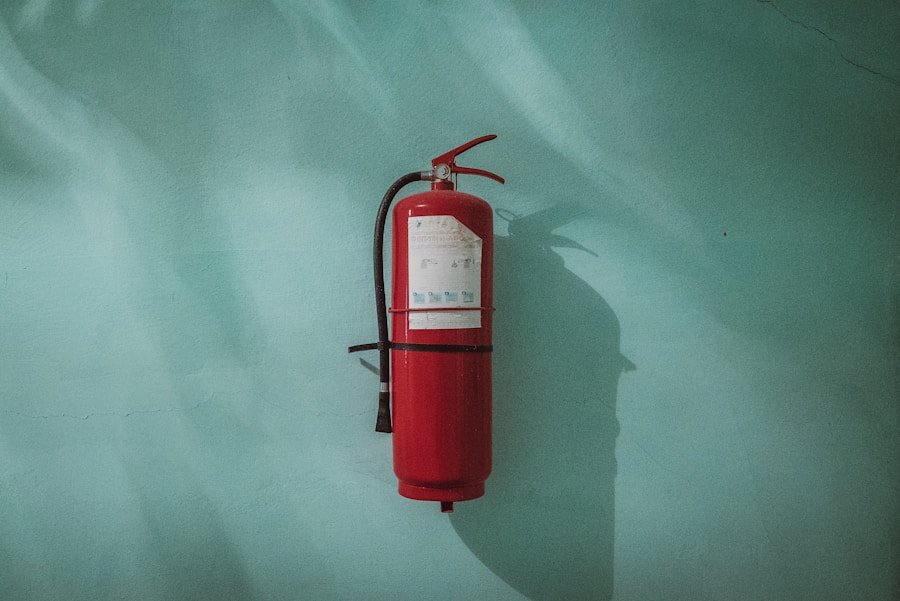
When using a portable camping stove, it is important to practice fire safety to prevent accidents and injuries. It is crucial to keep a fire extinguisher or a bucket of water nearby in case of emergencies, and to know how to use them properly. Additionally, it is important to never leave the stove unattended while it is in use, as this can lead to fires or other dangerous situations.

It is also important to keep flammable materials such as paper towels, napkins, or cooking oil away from the stove to prevent fires. Furthermore, it is important to be mindful of the surroundings when using a portable camping stove. It is crucial to be aware of any dry grass or brush that could easily catch fire from sparks or embers from the stove.
It is also important to never use the stove near dry leaves or other flammable materials that could easily ignite. By practicing fire safety and being mindful of the surroundings, you can help to prevent accidents and injuries when using a portable camping stove.
Maintenance and Inspection
To ensure safety when using a portable camping stove, it is important to regularly inspect and maintain the stove. This includes checking for any signs of wear and tear such as cracks or leaks in the fuel lines or connections. It is also important to clean the stove regularly to remove any built-up grease or debris that could pose a fire hazard.

Additionally, it is crucial to follow the manufacturer’s instructions for maintenance and inspection to ensure that the stove remains in good working condition. Furthermore, it is important to inspect the stove before each use to ensure that it is functioning properly. This includes checking for any signs of damage or wear, as well as ensuring that all connections are secure and that there are no leaks.
It is also important to test the stove before each use by lighting it and allowing it to burn for a few minutes to ensure that it is working properly. By regularly inspecting and maintaining the stove, you can help to prevent accidents and injuries when using a portable camping stove.
Cooking Safety
When using a portable camping stove for cooking, it is important to practice safe cooking techniques to prevent accidents and injuries. It is crucial to never leave food unattended while it is cooking on the stove, as this can lead to fires or burns. Additionally, it is important to use caution when handling hot pots and pans, and to use oven mitts or pot holders to prevent burns.
It is also important to be mindful of the temperature of the stove and to adjust it as needed to prevent food from burning. Furthermore, it is important to be mindful of food safety when cooking on a portable camping stove. This includes ensuring that food is cooked thoroughly and at the proper temperature to prevent foodborne illnesses.
It is also important to keep raw meat and other perishable foods refrigerated until they are ready to be cooked, and to store leftovers properly to prevent spoilage. By practicing safe cooking techniques and being mindful of food safety, you can help to prevent accidents and injuries when using a portable camping stove.
Emergency Preparedness
When using a portable camping stove, it is important to be prepared for emergencies in case something goes wrong. This includes having a first aid kit on hand with supplies such as bandages, antiseptic ointment, and pain relievers in case of burns or other injuries. It is also important to have a plan in place for what to do in case of a fire or other emergency, and to communicate this plan with everyone who will be using the stove.
Furthermore, it is important to have emergency contact information readily available in case of emergencies, such as the local fire department or emergency medical services. It is also important to have a way to communicate with others in case of emergencies, such as a cell phone or two-way radio. By being prepared for emergencies and having a plan in place, you can help to prevent accidents and injuries when using a portable camping stove.
In conclusion, there are several safety precautions that should be taken when using a portable camping stove. These include ensuring proper ventilation, handling fuel properly, carefully considering stove placement, practicing fire safety, regularly inspecting and maintaining the stove, practicing safe cooking techniques, and being prepared for emergencies. By following these safety precautions, you can help to prevent accidents and injuries when using a portable camping stove and ensure a safe and enjoyable outdoor experience.
FAQs
What are the safety precautions to take when using a portable camping stove?
When using a portable camping stove, it is important to follow safety precautions to prevent accidents and injuries. Some of the key safety precautions include ensuring proper ventilation, keeping the stove away from flammable materials, and using it on a stable surface.
How should I set up my portable camping stove safely?
When setting up a portable camping stove, it is important to choose a flat and stable surface to place the stove on. Additionally, make sure the area is well-ventilated to prevent the buildup of carbon monoxide. Always follow the manufacturer’s instructions for proper setup.
What should I do to prevent accidents when using a portable camping stove?
To prevent accidents when using a portable camping stove, it is important to keep flammable materials such as fuel, lighter fluid, and matches away from the stove. Additionally, never leave the stove unattended while it is in use and always keep a fire extinguisher or water source nearby.
Are there any specific safety tips for using a portable camping stove indoors?
Using a portable camping stove indoors can be dangerous due to the risk of carbon monoxide poisoning and fire hazards. It is highly recommended to only use the stove outdoors in a well-ventilated area. If indoor use is necessary, ensure proper ventilation and consider using a carbon monoxide detector.
What should I do in case of a stove malfunction or fire?
In the event of a stove malfunction or fire, it is important to act quickly and calmly. Turn off the stove immediately and if there is a fire, use a fire extinguisher or water to extinguish it. If the situation is beyond your control, evacuate the area and call emergency services for assistance.