

When engaging in outdoor activities, possessing the appropriate gear is vital for ensuring comfort and safety. A high-quality sleeping bag is a crucial piece of equipment for any outdoor enthusiast. However, it is essential to recognize that not all sleeping bags are designed to perform equally across various seasons.
Selecting a sleeping bag suitable for the specific season is critical for a restful night’s sleep and overall enjoyment of outdoor adventures, whether it’s a summer camping trip or a winter hike. Season-specific sleeping bags are engineered to provide the optimal level of insulation and warmth for distinct weather conditions. Using a sleeping bag that is not designed for the prevailing season can lead to discomfort, inadequate protection from the elements, and even pose safety risks.
Therefore, understanding the significance of seasonal sleeping bags and knowing how to choose the right one for outdoor activities is crucial for any individual who participates in outdoor pursuits.
Key Takeaways
- Understanding the importance of seasonal sleeping bags is crucial for a comfortable outdoor experience.
- Factors to consider when choosing a sleeping bag for summer camping include temperature ratings, insulation type, and weight.
- When selecting a sleeping bag for fall backpacking trips, consider temperature ratings, insulation type, and packability.
- Choosing a sleeping bag for winter hikes and cold weather camping requires attention to temperature ratings, insulation type, and additional features like draft collars and hoods.
- Comparing insulation types for different seasons can help in understanding the best option for warmth and weight.

Factors to Consider When Choosing a Sleeping Bag for Summer Camping
Temperature Rating: Finding the Right Balance
For summer camping, a lightweight sleeping bag with a temperature rating of around 35-45 degrees Fahrenheit is typically sufficient. Look for a sleeping bag with good ventilation to prevent overheating on warm summer nights.
Packability and Weight: A Hiker’s Priority
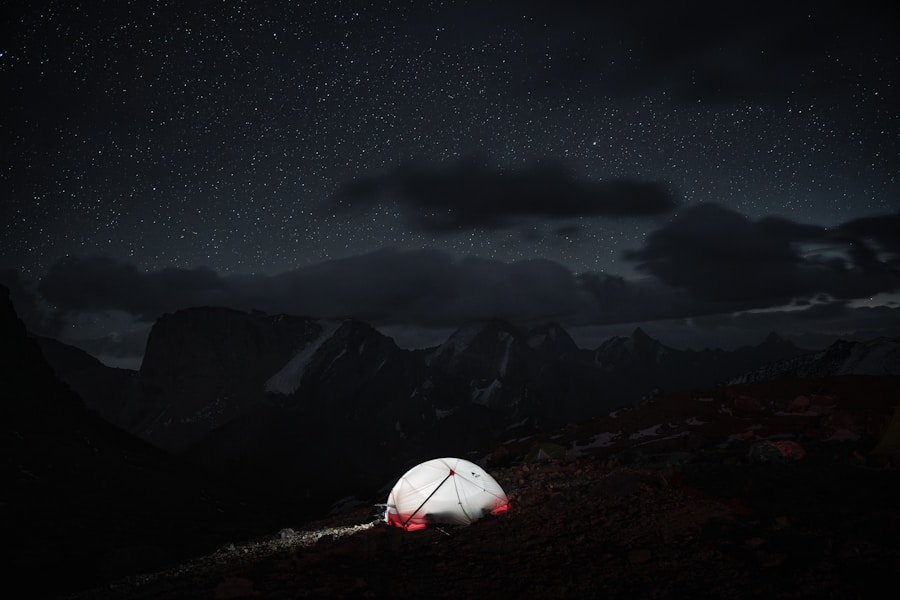
Since summer camping often involves hiking to your campsite, you’ll want a sleeping bag that is lightweight and easy to pack. Look for a sleeping bag that compresses down to a small size and won’t add too much weight to your backpack.
Material Matters: Synthetic vs. Natural
Additionally, consider the material of the sleeping bag. Synthetic materials are often preferred for summer camping due to their quick-drying properties and resistance to moisture.
Tips for Selecting the Best Sleeping Bag for Fall Backpacking Trips
Fall backpacking trips offer stunning foliage and cooler temperatures, making it an ideal time to explore the great outdoors. When selecting a sleeping bag for fall backpacking trips, it’s important to consider the temperature rating once again. Fall nights can be chilly, so look for a sleeping bag with a temperature rating of around 20-30 degrees Fahrenheit to ensure you stay warm and comfortable throughout the night.

In addition to temperature rating, consider the insulation type of the sleeping bag. Down insulation is often preferred for fall backpacking trips due to its superior warmth-to-weight ratio and compressibility. Look for a sleeping bag with water-resistant down to ensure it retains its insulation properties even in damp conditions.
Another important factor to consider is the shape of the sleeping bag. Mummy-shaped sleeping bags are ideal for fall backpacking trips as they provide a snug fit that helps retain body heat. When selecting a sleeping bag for fall backpacking trips, also consider additional features such as a draft collar and hood to help seal in warmth, as well as a durable water-repellent (DWR) finish to protect against moisture.
Lastly, don’t forget to consider the weight and packability of the sleeping bag, as you’ll likely be carrying it on your back for long distances.
How to Choose a Sleeping Bag for Winter Hikes and Cold Weather Camping
| Season | Temperature Range | Insulation Type | Weight |
|---|---|---|---|
| Summer | 30°F and above | Synthetic or Down | Lightweight |
| Spring/Fall | 15°F to 30°F | Down | Moderate |
| Winter | 15°F and below | Down | Heavy |
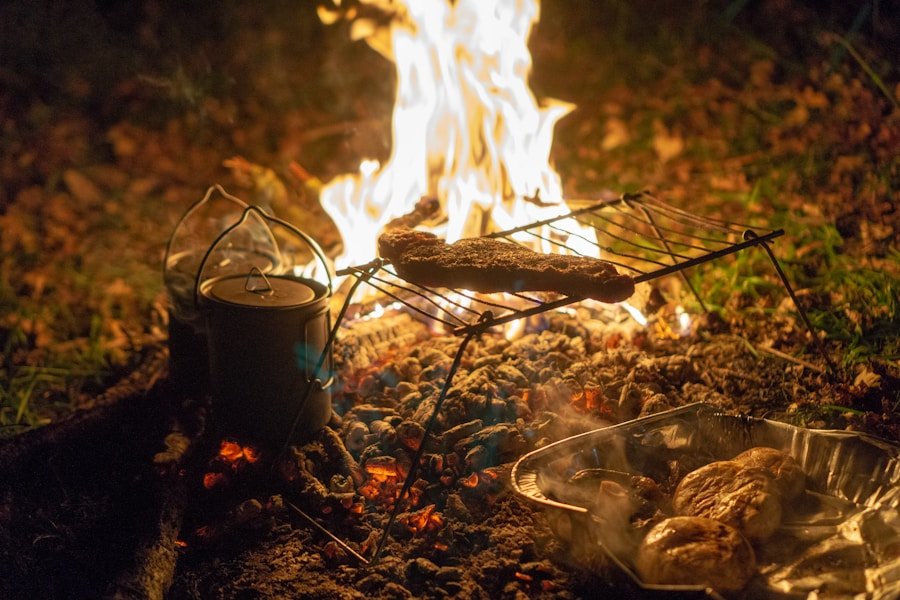
Winter hikes and cold weather camping require a sleeping bag that can provide maximum warmth and insulation. When choosing a sleeping bag for winter hikes and cold weather camping, it’s crucial to look for a temperature rating that can handle sub-zero temperatures. Look for a sleeping bag with a temperature rating of 0 degrees Fahrenheit or lower to ensure you stay warm even in the coldest conditions.
In addition to temperature rating, consider the insulation type of the sleeping bag. Synthetic insulation is often preferred for winter hikes and cold weather camping due to its ability to retain warmth even when wet. Look for a sleeping bag with a high loft synthetic insulation for maximum warmth.
Another important factor to consider is the shape of the sleeping bag. A mummy-shaped sleeping bag is essential for winter hikes and cold weather camping as it provides a snug fit that helps retain body heat. When selecting a sleeping bag for winter hikes and cold weather camping, also consider additional features such as a draft collar, hood, and draft tube to help seal in warmth and keep cold air out.
Look for a sleeping bag with a durable water-repellent (DWR) finish to protect against moisture and ensure you stay dry in snowy conditions. Lastly, consider the weight and packability of the sleeping bag, as you’ll need to carry it on your back through potentially challenging terrain.
Comparing Insulation Types for Different Seasons
When it comes to choosing a seasonal sleeping bag, one of the most important factors to consider is the insulation type. Different insulation types offer varying levels of warmth, weight, compressibility, and moisture resistance, making them suitable for different seasons and weather conditions. For summer camping, synthetic insulation is often preferred due to its quick-drying properties and resistance to moisture.
Synthetic insulation is also more affordable than down insulation, making it an ideal choice for budget-conscious campers. However, down insulation offers superior warmth-to-weight ratio and compressibility, making it ideal for fall backpacking trips where space and weight are at a premium. In contrast, winter hikes and cold weather camping require maximum warmth and insulation, making high loft synthetic insulation an ideal choice.
High loft synthetic insulation retains its warmth even when wet, making it suitable for snowy conditions where moisture resistance is crucial. Ultimately, the insulation type you choose will depend on the season and weather conditions you plan to encounter during your outdoor adventures.
Features to Look for in a Versatile Sleeping Bag for Year-Round Use
Adjustable Temperature Rating System
Look for a sleeping bag with an adjustable temperature rating system that allows you to customize the warmth of the bag based on the season. Some sleeping bags feature zippered vents or removable layers that allow you to adjust the insulation level as needed.
Water-Resistant Insulation and DWR Finish
Additionally, look for a sleeping bag with water-resistant down or high loft synthetic insulation that can handle moisture and retain warmth in various weather conditions. A durable water-repellent (DWR) finish is also essential, as it protects against moisture and ensures you stay dry in wet conditions.
Additional Features for Maximum Comfort
Look for a sleeping bag with additional features such as a draft collar, hood, and draft tube to help seal in warmth and keep cold air out during colder seasons. Lastly, consider the weight and packability of the sleeping bag, as you’ll need a versatile option that can be easily carried on your back through different terrains.
Expert Advice on Maintaining and Caring for Your Seasonal Sleeping Bag
Once you’ve invested in a seasonal sleeping bag, it’s important to properly maintain and care for it to ensure its longevity and performance. Proper maintenance and care can help extend the life of your sleeping bag and ensure it continues to provide maximum warmth and comfort throughout its lifespan. One of the most important aspects of maintaining your seasonal sleeping bag is proper storage.
When not in use, store your sleeping bag in a large cotton storage sack or hang it in a cool, dry place to prevent compression of the insulation. Avoid storing your sleeping bag in its stuff sack for extended periods as this can cause the insulation to lose its loft over time. Additionally, it’s important to regularly clean your seasonal sleeping bag to remove dirt, oils, and other contaminants that can affect its performance.
Follow the manufacturer’s instructions for cleaning your specific sleeping bag, but generally speaking, most seasonal sleeping bags can be hand-washed with mild detergent and air-dried thoroughly before storage. Lastly, be mindful of how you use your seasonal sleeping bag to prevent damage or excessive wear. Avoid sitting directly on your sleeping bag or using it as a cushion on rough surfaces, as this can cause tears or punctures in the fabric.
By properly maintaining and caring for your seasonal sleeping bag, you can ensure it continues to provide maximum warmth and comfort for many outdoor adventures to come. In conclusion, choosing the right seasonal sleeping bag is essential for any outdoor enthusiast looking to enjoy summer camps, fall backpacking trips, winter hikes, and year-round adventures. By understanding the importance of seasonal sleeping bags and considering factors such as temperature rating, insulation type, shape, weight, packability, and additional features, you can select the best sleeping bag for your specific outdoor activities.
Whether you’re enjoying warm summer nights under the stars or braving sub-zero temperatures on winter hikes, having the right seasonal sleeping bag can make all the difference in your comfort and enjoyment of the great outdoors. With proper maintenance and care, your seasonal sleeping bag can continue to provide maximum warmth and comfort throughout its lifespan, ensuring many memorable outdoor adventures in the years to come.
FAQs
What are the different types of sleeping bags for different seasons?
There are three main types of sleeping bags for different seasons: summer sleeping bags, 3-season sleeping bags, and winter sleeping bags. Summer sleeping bags are lightweight and designed for warm weather, 3-season sleeping bags are suitable for spring, summer, and fall, and winter sleeping bags are insulated and designed for cold weather camping.
What should I consider when choosing a sleeping bag for a specific season?
When choosing a sleeping bag for a specific season, consider the temperature rating, insulation type, weight, and packability. For summer camping, a lightweight and breathable sleeping bag with a higher temperature rating is ideal, while for winter camping, a heavier and insulated sleeping bag with a lower temperature rating is necessary.
What is the temperature rating of a sleeping bag?
The temperature rating of a sleeping bag indicates the lowest temperature at which the bag will keep the average sleeper warm. It is important to choose a sleeping bag with a temperature rating appropriate for the season and climate in which you will be camping.
What are the different insulation types used in sleeping bags?
The two main insulation types used in sleeping bags are down and synthetic. Down insulation is lightweight, compressible, and provides excellent warmth, while synthetic insulation is more affordable, retains warmth when wet, and dries quickly. Each type has its own advantages and considerations for different seasons.
How should I care for my sleeping bag to ensure its longevity?
To care for your sleeping bag and ensure its longevity, it is important to follow the manufacturer’s care instructions, store it properly in a large storage sack to maintain loft, avoid compressing it for long periods of time, and clean it as recommended. Regular maintenance will help extend the life of your sleeping bag.