

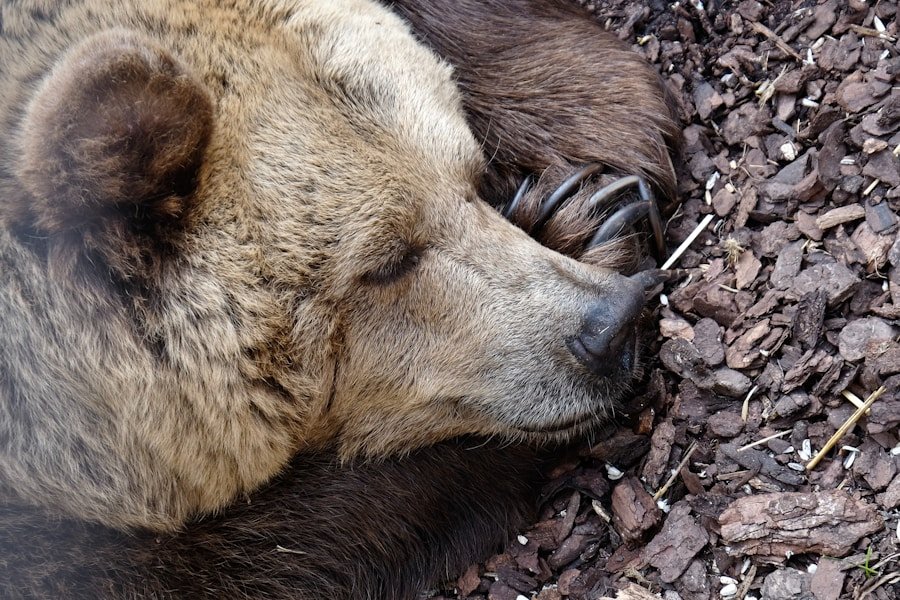

When venturing into the wilderness, it is essential to be aware of the potential risks associated with encountering wild animals. A variety of species, including bears, mountain lions, snakes, and insects, can pose a threat to campers. To minimize the risk of a dangerous encounter, it is crucial to understand the behavior and habitats of these animals.
For instance, knowing that bears are attracted to food and garbage enables campers to take preventative measures to maintain a bear-proof campsite. Furthermore, recognizing signs of a potential animal encounter, such as tracks, scat, or vocalizations, allows campers to remain alert and prepared for any situation. In addition to understanding animal behavior, it is also vital to be familiar with the specific threats posed by certain species.
While most snakes are harmless, some venomous species require caution. Identifying these species and knowing how to respond in the event of a snake bite is critical knowledge that can be lifesaving. By educating themselves on the potential threats in the wilderness, campers can better prepare themselves for a safe and enjoyable outdoor experience.
Key Takeaways
- Always stay calm and collected when encountering a wild animal while camping
- Understand the potential threats in the wilderness and identify the risks associated with different animals
- Carry essential gear and tools for wildlife encounters to prepare for the unexpected
- Communicate with wildlife using dos and don’ts for interacting with wild animals
- Establish boundaries and protect your campsite to create a safe zone and seek help from authorities in a wildlife emergency

Preparing for the Unexpected: Essential Gear and Tools for Wildlife Encounters
When heading into the wilderness, it’s essential to be prepared for any unexpected wildlife encounters. This means packing the necessary gear and tools to handle a variety of situations. One of the most important items to have on hand is a first aid kit, complete with supplies for treating bites, stings, and other injuries that may result from a wildlife encounter.
Additionally, carrying bear spray or other deterrents can provide campers with a sense of security in the event of a dangerous animal encounter. Another essential tool for handling wildlife encounters is knowledge. Campers should take the time to educate themselves on the specific wildlife species that inhabit the area they will be camping in.

This includes learning about their behavior, habitats, and any potential threats they may pose. Armed with this knowledge, campers can better prepare themselves for any potential encounters and know how to react in a safe and effective manner. By being proactive and packing the necessary gear and tools, campers can increase their chances of safely navigating a wildlife encounter while camping.
Staying Calm and Collected: Maintaining Composure in the Face of Danger
In the event of a wildlife encounter while camping, it’s crucial for campers to remain calm and collected. Panicking or acting erratically can escalate a situation and increase the risk of harm to both the camper and the animal. Instead, campers should focus on staying calm and assessing the situation rationally.
This may involve slowly backing away from the animal, speaking in a calm voice, and avoiding sudden movements that could startle or provoke the animal. Maintaining composure also means being prepared to take action if necessary. This may involve using deterrents such as bear spray or making loud noises to scare off an aggressive animal.

In some cases, it may be necessary to slowly and carefully retreat from the area in order to avoid a potentially dangerous encounter. By staying calm and collected, campers can increase their chances of safely navigating a wildlife encounter while camping.
Communicating with Wildlife: Dos and Don’ts for Interacting with Wild Animals
| Wild Animal | Recommended Action | Additional Tips |
|---|---|---|
| Bear | Stay calm, slowly back away, and avoid direct eye contact | Do not run or climb a tree, make yourself look bigger |
| Cougar | Make yourself look big, maintain eye contact, and back away slowly | Do not crouch or bend down, make noise to scare it away |
| Snake | Back away slowly and give it space | Do not try to handle or provoke the snake, wear protective clothing |
| Wolf | Stand tall, make noise, and slowly back away | Do not turn your back, do not run, and do not make sudden movements |
When encountering wild animals while camping, it’s important for campers to understand how to communicate with them in a way that minimizes the risk of conflict. This means knowing the dos and don’ts of interacting with wildlife. For example, campers should avoid approaching or feeding wild animals, as this can habituate them to humans and increase the risk of dangerous encounters.

Instead, campers should maintain a safe distance from wildlife and observe them from afar. In some cases, it may be necessary to communicate with wildlife in order to deter them from approaching a campsite. This may involve making loud noises, waving arms, or using deterrents such as bear spray.
However, it’s important for campers to do so in a way that does not provoke or agitate the animal further. By understanding how to communicate with wildlife in a safe and respectful manner, campers can minimize the risk of dangerous encounters while camping.
Creating a Safe Zone: Establishing Boundaries and Protecting Your Campsite
When camping in areas where wildlife encounters are possible, it’s important for campers to establish a safe zone around their campsite. This means taking preventative measures to deter wildlife from approaching the area. One way to do this is by properly storing food and garbage in bear-proof containers or hanging them from trees at a safe distance from the campsite.

By keeping these attractants out of reach of wildlife, campers can reduce the likelihood of animals approaching their campsite. In addition to securing food and garbage, campers should also be mindful of their behavior while at the campsite. This means avoiding activities that could attract wildlife, such as cooking near tents or leaving food scraps around the site.
By creating a safe zone around their campsite, campers can minimize the risk of dangerous wildlife encounters and enjoy a safer outdoor experience.
Seeking Help: Knowing When and How to Contact Authorities in a Wildlife Emergency
In the event of a dangerous wildlife encounter while camping, it’s important for campers to know when and how to seek help from authorities. This may involve contacting park rangers, wildlife officials, or emergency services depending on the severity of the situation. In some cases, it may be necessary to report an aggressive or dangerous animal in order to protect other campers in the area.
When seeking help in a wildlife emergency, it’s important for campers to provide as much information as possible about the situation. This may include details about the location of the encounter, the behavior of the animal, and any injuries that may have occurred. By providing accurate and detailed information, campers can help authorities respond effectively to the situation and ensure the safety of themselves and others in the area.
Learning from the Experience: Reflecting on the Encounter and Improving Future Camping Trips
After experiencing a wildlife encounter while camping, it’s important for campers to take time to reflect on the experience and consider how they can improve their future camping trips. This may involve evaluating their actions during the encounter and identifying areas where they could have responded differently. By reflecting on the experience, campers can gain valuable insights that can help them better prepare for similar situations in the future.
In addition to reflecting on the encounter itself, campers should also consider how they can improve their overall preparedness for wildlife encounters while camping. This may involve updating their gear and tools, seeking additional education on wildlife safety, or choosing camping locations that are less prone to dangerous animal encounters. By learning from their experiences and taking proactive steps to improve their preparedness, campers can increase their chances of safely navigating wildlife encounters while camping in the future.
In conclusion, encountering wild animals while camping can be a thrilling and rewarding experience, but it also comes with potential risks that should not be taken lightly. By understanding potential threats in the wilderness, preparing essential gear and tools for wildlife encounters, staying calm and collected in the face of danger, communicating with wildlife in a safe manner, creating a safe zone around your campsite, seeking help when necessary, and learning from your experiences, you can increase your chances of safely navigating wildlife encounters while camping. With proper preparation and knowledge, you can enjoy all that nature has to offer while minimizing the risks associated with encountering wild animals in the great outdoors.
FAQs
What should I do if I encounter a wild animal while camping?
If you encounter a wild animal while camping, it’s important to remain calm and avoid making sudden movements. Back away slowly while facing the animal and try to make yourself appear larger by raising your arms or holding a jacket above your head. Do not run or turn your back on the animal.
How can I prevent encounters with wild animals while camping?
To prevent encounters with wild animals while camping, it’s important to properly store food and garbage in bear-proof containers or by hanging them from a tree. Keep a clean campsite and avoid cooking or eating near your tent. Make noise while hiking to alert animals of your presence and always be aware of your surroundings.
What should I do if I encounter a bear while camping?
If you encounter a bear while camping, it’s important to remain calm and avoid making sudden movements. Back away slowly while facing the bear and try to make yourself appear larger by raising your arms or holding a jacket above your head. If the bear approaches, speak calmly and firmly. Do not run or climb a tree, and do not make direct eye contact with the bear.
How can I protect myself from wild animal attacks while camping?
To protect yourself from wild animal attacks while camping, it’s important to be aware of the types of animals that are common in the area and to know how to respond if you encounter them. Carry bear spray or other deterrents if camping in bear country, and always keep a safe distance from wild animals. Avoid approaching or feeding wildlife, and never leave food or garbage unattended.