

When engaging in outdoor activities such as camping, hiking, or exploring the wilderness, possessing fundamental wilderness survival skills is vital. These skills are essential for anyone who ventures into the great outdoors, as they can significantly enhance safety and comfort. One of the most critical skills to acquire is the ability to start a fire, which provides warmth, enables food preparation, and serves as a signal for help in emergency situations.
Furthermore, knowing how to construct a shelter using natural materials found in the wilderness is crucial, as it offers protection from the elements and a safe place to rest. Another vital skill is the ability to locate and purify water, as dehydration can be a severe threat in the wilderness, and access to safe drinking water is essential for survival. In addition to these fundamental skills, having a solid understanding of wilderness first aid and emergency response is crucial.
Accidents can occur when medical assistance is not readily available, and knowing how to treat injuries and respond to emergencies can be lifesaving. Mastering these basic wilderness survival skills forms the foundation for a safe and comfortable outdoor experience.
Key Takeaways
- Basic wilderness survival skills are essential for every camper to learn and practice.
- Camping safety tips are crucial for a successful and enjoyable outdoor experience.
- Building a shelter in the wild is a key skill for staying protected from the elements.
- Finding and purifying water in the outdoors is necessary for staying hydrated and healthy.
- Navigating and using a compass is important for staying on course and finding your way back to safety.
Essential Camping Safety Tips
Inform Others of Your Plans
Before heading out, always let someone know your plans, including your planned route, expected return time, and any emergency contacts. This way, if something goes wrong, someone will know where to look for you.
Be Aware of Your Surroundings

It is crucial to be mindful of your surroundings and any potential hazards. This includes being aware of wildlife, weather conditions, and any natural obstacles that could pose a threat.
Packing Essentials and Fire Safety
Another vital aspect of camping safety is to always pack a well-stocked first aid kit. Accidents can happen in the wilderness, so having the necessary supplies to treat injuries can be crucial. Additionally, it is essential to be mindful of fire safety when camping, including following any fire regulations in the area, properly extinguishing fires, and being cautious when using any flammable materials. By following these essential camping safety tips, you can help ensure a safe and enjoyable outdoor experience.
Building a Shelter in the Wild
When spending time in the wilderness, having the ability to build a shelter can be a life-saving skill. There are several different types of shelters that can be constructed using natural materials found in the wilderness. One common type of shelter is a lean-to, which can be made by propping a large branch against a tree and covering it with smaller branches and leaves.

Another option is a debris hut, which involves creating a framework using branches and covering it with leaves and other natural materials. Both of these shelters can provide protection from the elements and help keep you warm and dry. In addition to these types of shelters, it is also important to know how to properly select a location for your shelter.
This includes choosing a spot that is away from potential hazards such as falling branches or flooding, and that provides good insulation from the ground. By having the knowledge and skills to build a shelter in the wild, you can ensure that you have a safe and comfortable place to rest during your outdoor adventures.
Finding and Purifying Water in the Outdoors
| Skills | Training Level | Importance |
|---|---|---|
| Fire Starting | Basic | High |
| Shelter Building | Intermediate | High |
| Water Purification | Advanced | High |
| First Aid | Basic | High |
| Navigation | Intermediate | Medium |

Water is essential for survival, so knowing how to find and purify water in the outdoors is crucial for anyone spending time in the wilderness. One of the first steps in finding water is knowing where to look. This includes being aware of natural water sources such as rivers, streams, and lakes, as well as knowing how to identify signs of water such as animal tracks or green vegetation.
Once you have located a water source, it is important to know how to make it safe to drink. There are several methods for purifying water in the outdoors, including boiling, using water purification tablets, or using a portable water filter. Each method has its own advantages and disadvantages, so it is important to be familiar with all of them.
By having the knowledge and skills to find and purify water in the outdoors, you can ensure that you stay hydrated and healthy during your outdoor adventures.
Navigating and Using a Compass

When spending time in the wilderness, having the ability to navigate using a compass can be an invaluable skill. A compass is a simple yet effective tool for determining direction and can help prevent getting lost in unfamiliar terrain. One of the most important aspects of using a compass is knowing how to properly orient yourself and read the direction indicated by the needle.
This involves holding the compass level and away from any metal objects that could interfere with its accuracy. In addition to using a compass, it is also important to have a good understanding of map reading and navigation techniques. This includes being able to identify key landmarks on a map and use them to determine your location.
By having the knowledge and skills to navigate using a compass and map, you can ensure that you stay on course and reach your destination safely.
Fire Starting Techniques
Why Fire is Essential in the Wilderness
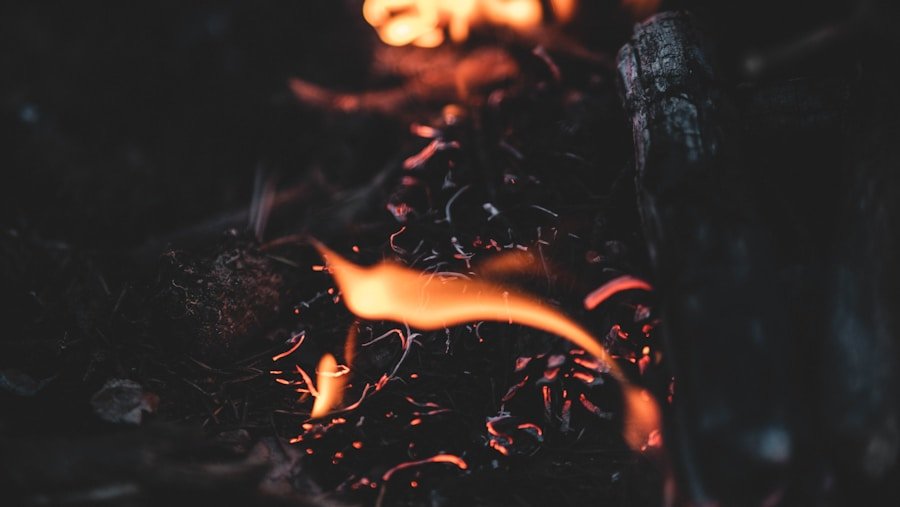
Being able to start a fire is an essential skill for anyone spending time in the wilderness. A fire can provide warmth, cook food, purify water, and signal for help in an emergency.
Methods for Starting a Fire
There are several different methods for starting a fire in the outdoors, including using matches, lighters, flint and steel, or friction-based methods such as a bow drill or hand drill. Each method has its own advantages and disadvantages, so it is important to be familiar with several different techniques.
Proper Fire Safety and Preparation
Additionally, it is important to know how to properly prepare a fire site and safely extinguish a fire when you are finished using it. This includes knowing how to choose a safe location, gathering materials, and fully extinguishing the flames to prevent forest fires. By having the knowledge and skills to start a fire in the wilderness, you can ensure that you have a reliable source of warmth and comfort during your outdoor adventures.
First Aid and Emergency Response in the Wilderness
Accidents can happen when spending time in the wilderness, so having a good understanding of first aid and emergency response is crucial for anyone who enjoys outdoor activities. One of the most important aspects of first aid in the wilderness is knowing how to treat common injuries such as cuts, burns, sprains, and insect bites. This includes having the necessary supplies in a well-stocked first aid kit and knowing how to use them effectively.
In addition to treating injuries, it is also important to know how to respond to more serious emergencies such as broken bones, hypothermia, or dehydration. This includes knowing how to stabilize an injured person and safely transport them to medical help if necessary. By having the knowledge and skills to respond to emergencies in the wilderness, you can help ensure that you and your fellow outdoor enthusiasts stay safe and healthy during your adventures.
In conclusion, having basic wilderness survival skills is essential for anyone who enjoys spending time in the great outdoors. These skills include knowing how to start a fire, build a shelter, find and purify water, navigate using a compass, and respond to emergencies with first aid techniques. By having these skills, you can ensure that you stay safe and comfortable during your outdoor adventures.
Additionally, it is important to prioritize camping safety by being aware of potential hazards, packing a well-stocked first aid kit, and following fire safety regulations. By following these essential camping safety tips, you can help ensure that your outdoor experiences are enjoyable and free from unnecessary risks. Whether you are an experienced outdoor enthusiast or just starting out, having these essential survival skills and safety tips can make all the difference when spending time in the wilderness.
FAQs
What are survival skills?
Survival skills are techniques and abilities that are necessary to survive in a variety of outdoor and emergency situations. These skills include shelter building, fire starting, navigation, first aid, and food procurement.
Why are survival skills important for campers?
Survival skills are important for campers because they can help individuals stay safe and secure in the wilderness. Knowing how to build a shelter, start a fire, find food and water, and administer first aid can make a significant difference in a survival situation.
What are some essential survival skills for campers?
Essential survival skills for campers include fire starting, shelter building, navigation, first aid, water purification, and food procurement. These skills can help campers stay safe and secure in the wilderness.
How can campers learn survival skills?
Campers can learn survival skills through hands-on training, wilderness survival courses, books, online resources, and instructional videos. Many outdoor organizations and survival experts offer training programs specifically designed for campers.
What are the benefits of learning survival skills?
Learning survival skills can provide campers with the confidence and knowledge to handle emergency situations in the wilderness. These skills can also enhance the overall camping experience by allowing campers to feel more self-reliant and capable in the outdoors.